

Stablecoin transaction volume hit a record $1.79 trillion in June—even as total stablecoin supply contracted—highlighting a growing divergence between market sentiment and real-world usage. According to new data from Bitwise, Visa’s on-chain analytics, and ownership trends, the cryptocurrency industry is demonstrating unprecedented strength in its fundamentals despite bearish price action.
Prices Fell, But the Plumbing Kept Growing
The second quarter marked crypto’s third consecutive losing period—the longest streak since 2022. Spot Bitcoin ETFs saw their worst quarterly outflows, and overall on-chain activity and exchange trading volumes dipped. Yet, Bitwise argues that the market is mispricing crypto’s current state: while prices reflect a bear market, the infrastructure and adoption metrics tell a different story.
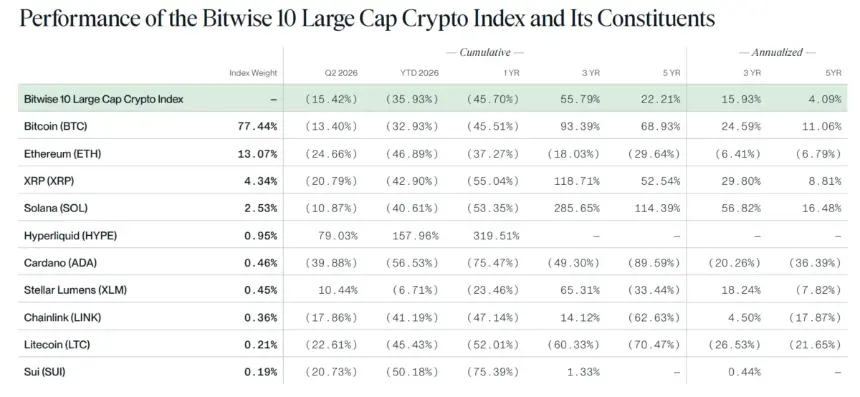
The industry today is roughly twice the size it was during the 2022 lows. Ethereum transaction activity has surged approximately 13-fold compared to 2022, decentralized finance (DeFi) total value locked (TVL) has risen over 60%, and stablecoin assets have nearly doubled. Despite this progress, the Bitwise 10 Large Cap Crypto Index declined 15.4%, with eight of its ten holdings ending in the red—reigniting debate over whether the bear market bottom has already been reached.
Stablecoin Volume and Derivatives Led the Quarter
Stablecoins processed about 2.3 times Visa’s annual payment volume over the past year, according to Bitwise. June alone saw stablecoin transfers reach an all-time high of $1.79 trillion, per Visa Onchain Analytics. Notably, this surge occurred even as total stablecoin supply slightly decreased—a stark contrast to the 2022 Terra collapse, which triggered a market freeze.
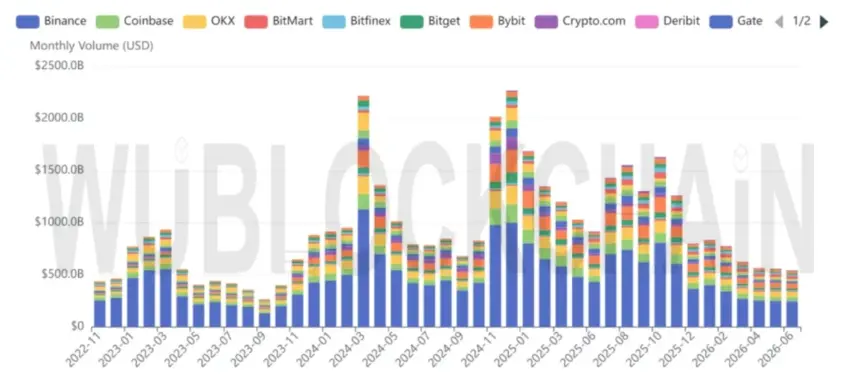
USD Coin (USDC) accounted for roughly two-thirds of this volume, reflecting growing institutional preference for regulated stablecoins. Trading patterns echoed this trend: while spot volume on major exchanges fell about 5% month-over-month in June, derivatives volume rose by 4%, indicating sustained engagement from active traders even as retail participation waned.
Tokenized Assets and Prediction Markets Set Records
Tokenized real-world assets grew 50.3% year-to-date to $32.89 billion. Prediction market volume soared to a quarterly record of $43.2 billion—nearly 18 times higher than the same period last year. Meanwhile, crypto equities held firm: the Bitwise Crypto Innovators 30 Index climbed 30.6%.
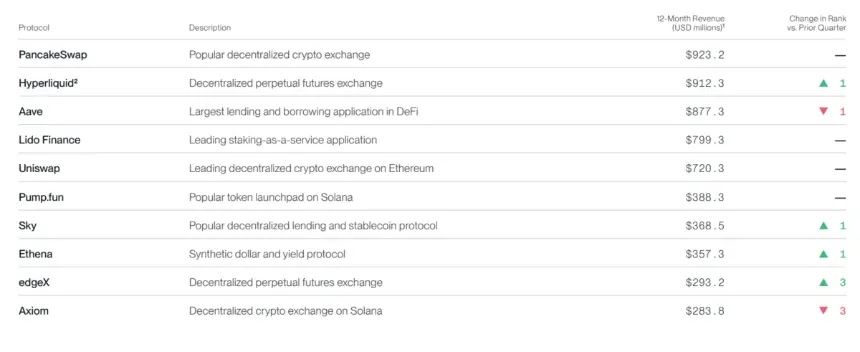
Leading decentralized applications are also generating significant revenue. Platforms like Hyperliquid, PancakeSwap, and Aave each earned close to $900 million over the past year.
Advisers are increasingly favoring stablecoins and tokenization over direct Bitcoin exposure. Ownership trends support this shift: while individuals still hold about two-thirds of Bitcoin’s supply, institutions and funds acquired approximately 829,000 BTC in 2025, compared to retail wallets offloading around 696,000 BTC, according to River.
Bitwise frames this disconnect between price and progress as the foundation for the next market cycle. “That foundation won’t stop the winter, but it determines what grows in the spring,” wrote Matt Hougan. The coming quarters will reveal whether sustained usage can eventually lift prices—or if prolonged weakness erodes momentum. For now, the data paints a picture of an industry expanding beneath a lagging market valuation.